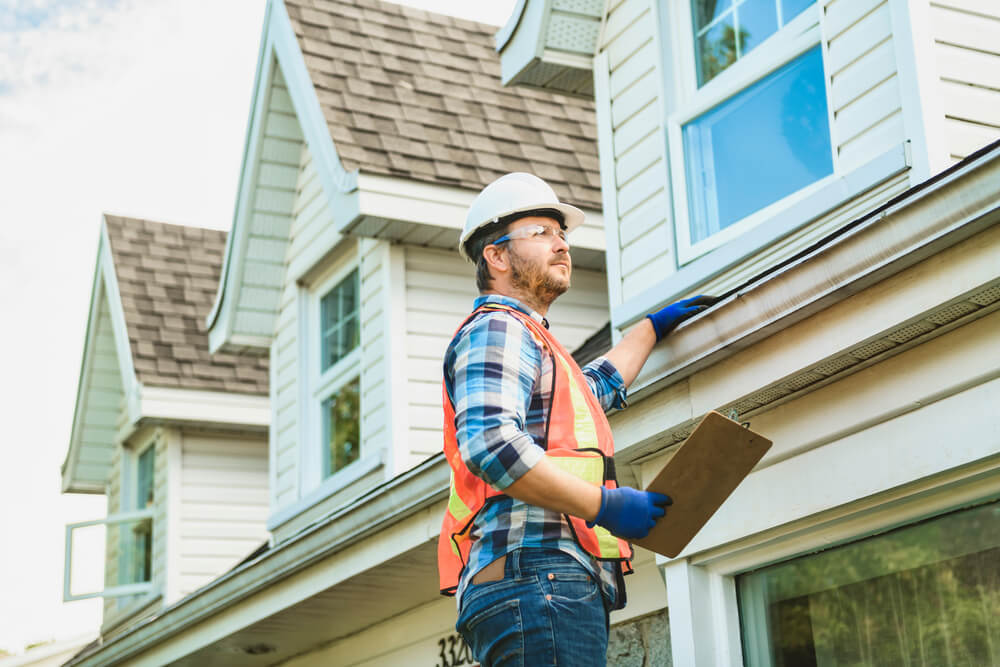
What Exactly Does a Home Inspector Look For?
Buying or selling a home can feel overwhelming—especially when the home inspection comes into play. One of the most common questions we hear is:
“What exactly does a home inspector look for?”
The short answer: a lot more than most people realize. The good news is that inspections aren’t about “passing or failing” a home—they’re about understanding its condition so everyone can make informed decisions.
Let’s break it down in a clear, friendly way.
The Purpose of a Home Inspection
A home inspection provides a professional, unbiased evaluation of a home’s major systems and visible components. The goal is to identify:
Safety concerns
Structural issues
Functional problems
Signs of water damage or deterioration
Areas that may need repair, maintenance, or further evaluation
Think of it as a snapshot of the home’s current condition, not a prediction of future problems.
The Major Areas a Home Inspector Examines
- Roof & Exterior
The roof is your home’s first line of defense.
Inspectors typically check:
Shingles or roofing material condition
Signs of leaks or water intrusion
Flashing around chimneys and vents
Gutters and downspouts
Siding, trim, and exterior walls
Foundation visibility from the exterior
Why it matters: Roof and exterior repairs can be expensive if missed early.
- Foundation & Structure
Inspectors look for visible signs of structural movement or stress, including:
Foundation cracks
Uneven floors
Wall separation
Improper drainage near the home
Not all cracks are serious—but identifying which ones matter is critical.
- Plumbing System
Water issues are one of the most common findings.
An inspector checks:
Visible pipes and fittings
Water pressure and flow
Drainage and leaks
Water heater condition and age
Signs of corrosion or improper materials
Even small leaks can lead to major damage over time.
- Electrical System
Electrical safety is a top priority.
Typical inspection points include:
Main electrical panel
Proper grounding
Outlet functionality
GFCI and AFCI protection
Exposed wiring or unsafe connections
This helps prevent fire hazards and safety risks.
- Heating, Cooling & Ventilation (HVAC)
Inspectors evaluate:
Furnace and air conditioner operation
Age and visible condition of equipment
Airflow and thermostat function
Proper venting
HVAC systems are costly to replace—knowing their condition upfront is essential.
- Interior Spaces
Inside the home, inspectors review:
Walls, ceilings, and floors
Windows and doors
Stairs and railings
Signs of moisture intrusion
Attic insulation and ventilation (when accessible)
This often reveals hidden water or structural issues.
What a Home Inspection Is Not
It’s equally important to understand what inspections don’t cover:
Cosmetic issues (paint color, décor)
Code compliance for new standards
Hidden or inaccessible areas
Guarantee of future performance
A home inspection is informational, not a warranty.
What Happens After the Inspection?
After the inspection, the client receives a detailed report outlining:
Findings
Photos (when applicable)
Severity of issues
Recommended next steps
Modern inspection tools allow inspectors to generate clear, professional reports quickly, making it easier for buyers and sellers to understand exactly what matters most.
Why This Matters for Buyers & Sellers
Buyers gain confidence and negotiating power
Sellers can address issues proactively
Agents reduce surprises that delay closings
Everyone benefits from clarity.
Final Thoughts
A home inspection isn’t about finding faults—it’s about providing peace of mind. Knowing what inspectors look for helps you feel prepared, informed, and confident throughout the process.
Whether you’re buying, selling, or inspecting, having the right tools and clear documentation makes all the difference.