Top 10 Issues Inspectors Find in Older Homes
Older homes have charm, character, and craftsmanship you don’t always find in newer construction. But they can also hide problems that only show up with time. This is why inspections on older homes tend to uncover more findings—and why knowing what to look for can save buyers and sellers from costly surprises.
Here are the top 10 issues home inspectors most commonly find in older homes, along with tips on how to spot early warning signs.
- Aging or Damaged Roofs
Roofing materials don’t last forever.
Common findings:
Brittle or missing shingles
Improper repairs from past replacements
Failing flashing around chimneys or vents
Early signs to watch for:
Curling or cracked shingles
Granules collecting in gutters
Interior ceiling stains near roof lines
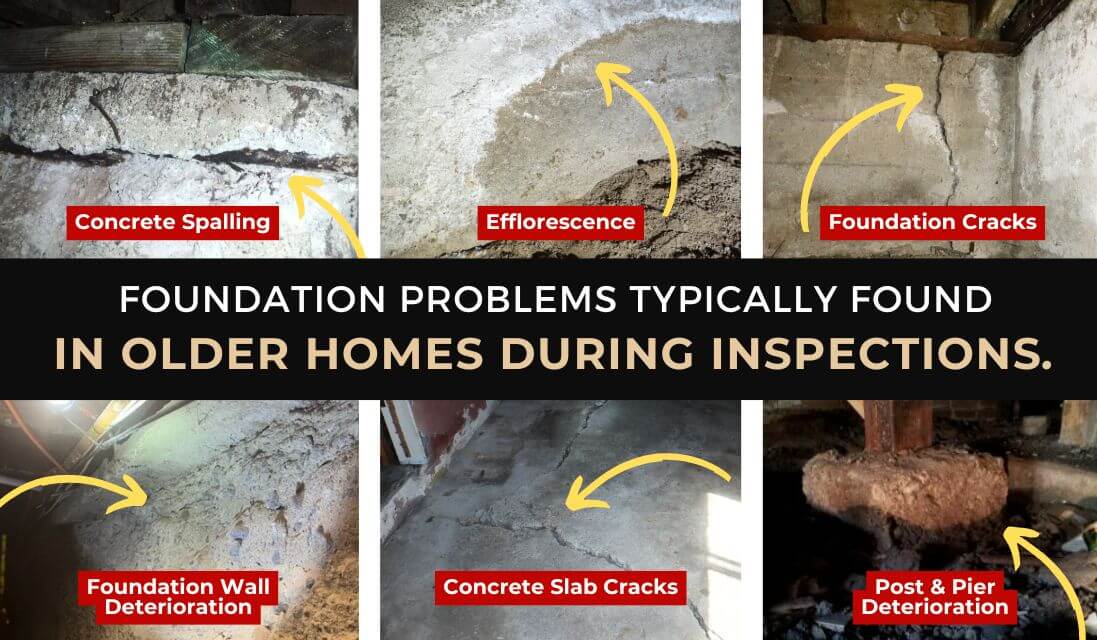
- Foundation Cracks & Settlement
Not all cracks are serious—but some are.
Common findings:
Vertical or stair-step cracks
Uneven floors
Signs of past water intrusion
Early signs to watch for:
Doors or windows that stick
Visible cracks widening over time
Sloping or bouncy floors
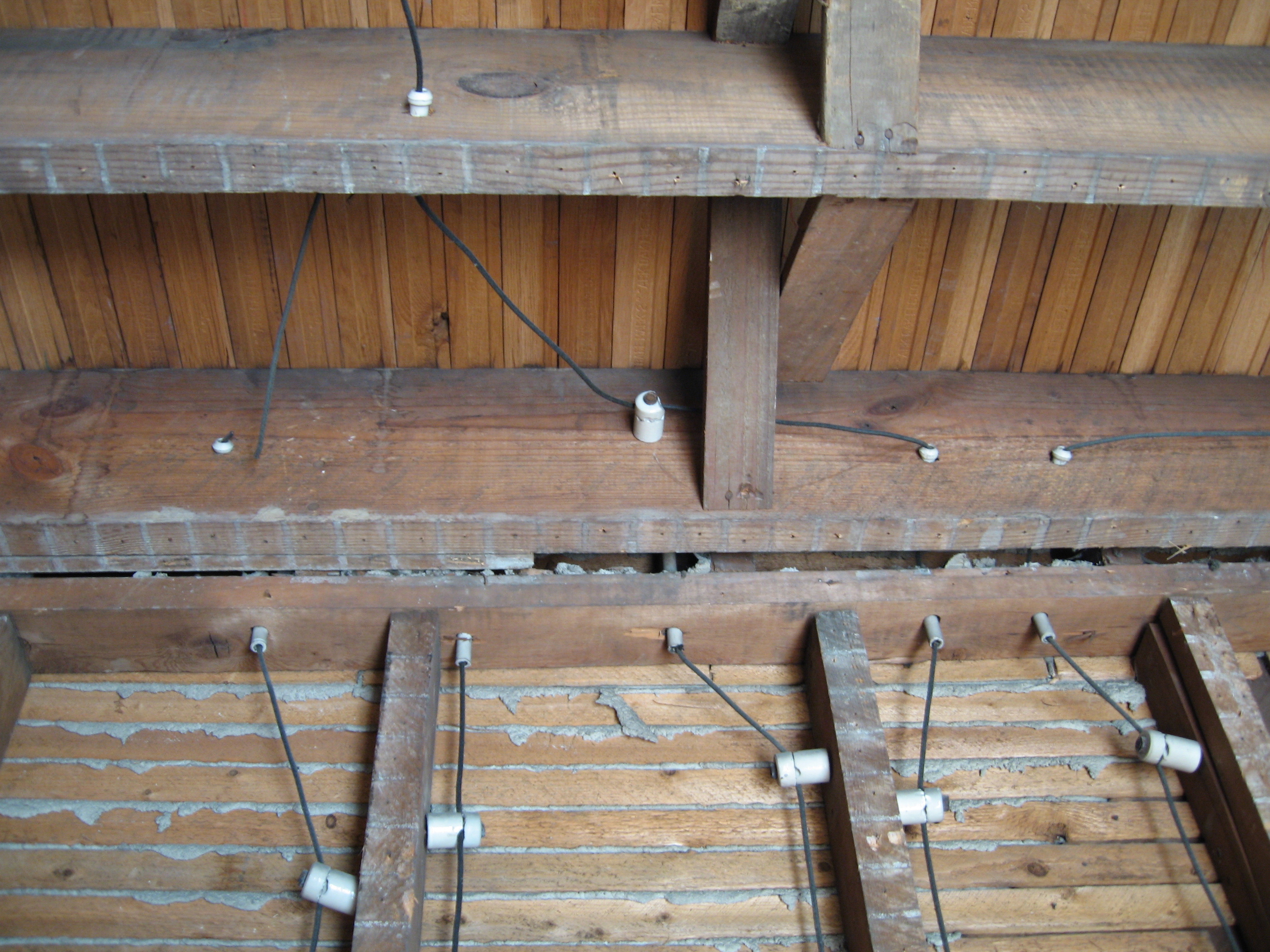
- Outdated Electrical Systems
Older electrical systems often weren’t designed for modern loads.
Common findings:
Knob-and-tube wiring
Aluminum wiring
Overloaded or undersized panels
Early signs to watch for:
Flickering lights
Warm outlets or switches
Frequently tripped breakers
- Plumbing That’s Past Its Prime
Plumbing materials degrade with age.
Common findings:
Galvanized steel pipes
Corrosion and mineral buildup
Improper or outdated repairs
Early signs to watch for:
Low water pressure
Discolored water
Frequent leaks under sinks
- Hidden Water Damage
Water is one of the most destructive forces in a home.
Common findings:
Rotting wood framing
Mold growth
Damaged subfloors
Early signs to watch for:
Musty odors
Staining on walls or ceilings
Warped flooring
- Insufficient Insulation & Ventilation
Energy efficiency standards have changed dramatically.
Common findings:
Little or no attic insulation
Blocked vents
Poor airflow
Early signs to watch for:
High energy bills
Ice dams in winter
Excessive heat in upper floors during summer
- Aging HVAC Systems
Heating and cooling systems have a limited lifespan.
Common findings:
Furnaces or AC units beyond expected service life
Improper venting
Poor airflow distribution
Early signs to watch for:
Inconsistent room temperatures
Unusual noises
Frequent repairs
- Windows & Doors That No Longer Seal
Older windows weren’t built with modern efficiency in mind.
Common findings:
Drafty or single-pane windows
Rotten frames
Failed seals
Early signs to watch for:
Cold drafts
Condensation between panes
Difficulty opening or closing
- Safety Issues That Were Acceptable “Back Then”
Building standards evolve.
Common findings:
Missing handrails
Improper stair dimensions
Lack of GFCI protection near water sources
Early signs to watch for:
Steep or uneven stairs
Outlets near sinks without protection
Loose or missing railings
- Deferred Maintenance
Small issues add up over time.
Common findings:
Temporary repairs that became permanent
Worn caulking and seals
Neglected exterior components
Early signs to watch for:
Peeling paint
Rusting metal components
Loose fixtures or trim
Why Older Homes Still Make Great Purchases
Finding issues doesn’t mean a home is a bad investment. In fact, inspections give buyers clarity and help sellers prioritize repairs. Many older homes are structurally solid—they just need informed care.
A professional inspection ensures nothing critical gets overlooked.
Final Takeaway
Older homes tell a story—and a thorough inspection helps you understand every chapter. Knowing the most common issues ahead of time lets buyers plan smarter and sellers act proactively.
Inspections aren’t about fear—they’re about confidence and transparency.