Common Red Flags in a Home Inspection That Buyers Should Never Ignore
Not every issue found during a home inspection is a deal-breaker. Many findings are normal wear and tear or routine maintenance items. However, some issues deserve immediate attention because they can affect safety, long-term costs, or the overall value of the home.
These are the most common red flags inspectors flag as high priority—and why they matter.
- Active Water Damage or Ongoing Leaks
Water problems are one of the biggest warning signs in any home.
Why it’s serious:
Leads to mold and rot
Weakens structural components
Can spread silently behind walls
Red flags include:
Fresh stains on ceilings or walls
Damp basements or crawlspaces
Active dripping under sinks or around fixtures
Water issues rarely fix themselves—and usually get worse over time.
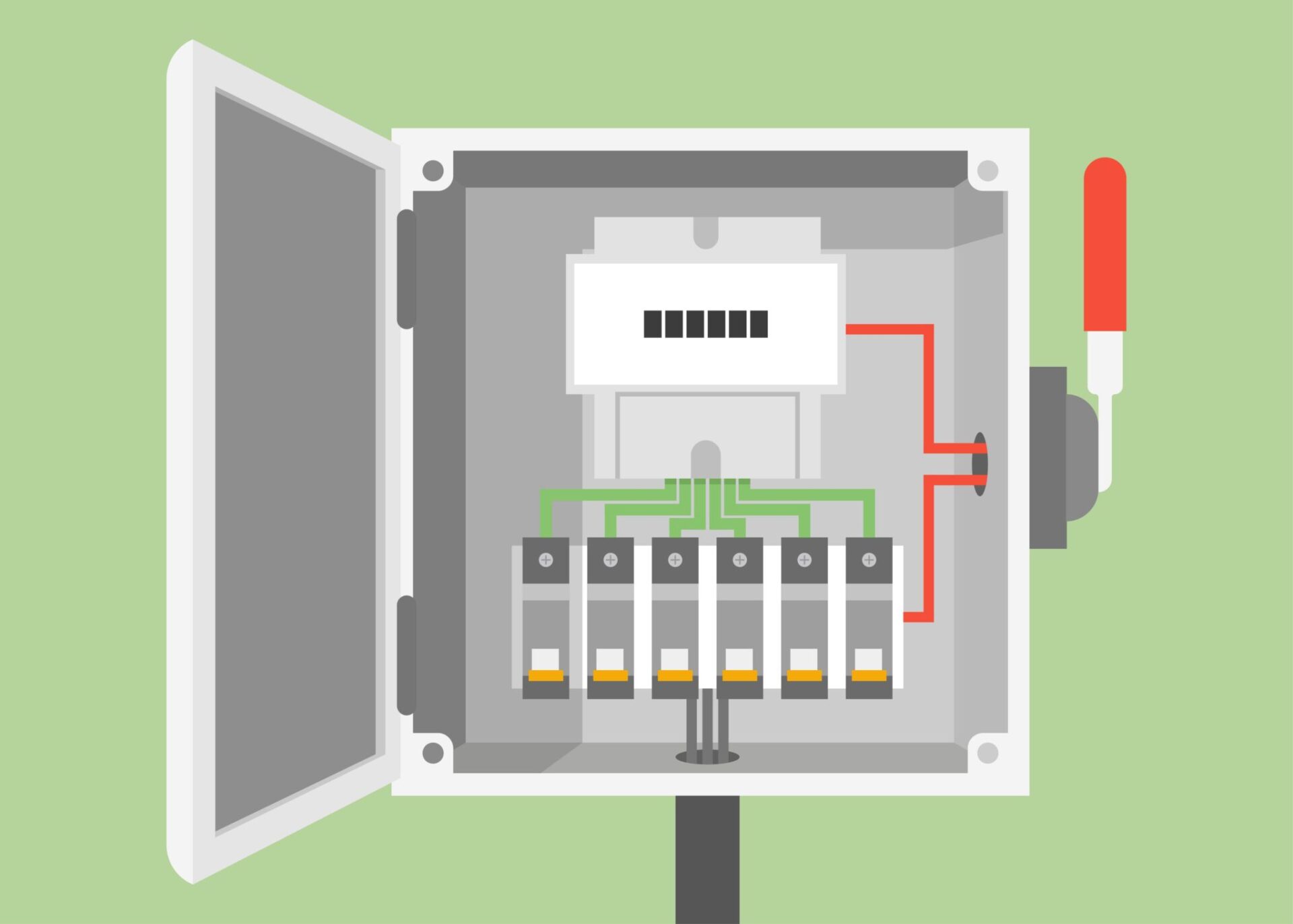
- Electrical Safety Hazards
Electrical issues are a major safety concern and a common inspection finding.
High-risk issues include:
Exposed or damaged wiring
Overloaded panels
Outdated or unsafe wiring types
Missing GFCI protection near water sources
Electrical problems increase the risk of fire and should always be addressed promptly.
- Structural Movement or Foundation Problems
Not all cracks are bad—but some definitely are.
Serious warning signs include:
Large horizontal or stair-step cracks
Uneven or sloping floors
Doors and windows that no longer align
Structural issues can be costly, which is why inspectors document these clearly and recommend further evaluation when needed.
- Roofing Failures
Roof issues can cause widespread damage if ignored.
Major red flags include:
Active roof leaks
Missing or deteriorated shingles
Improper repairs or flashing failures
A failing roof often leads to interior damage long before it’s visible inside the home.
- HVAC Systems at End of Life
Heating and cooling systems are expensive to replace.
Concerning findings include:
Units past expected service life
Improper venting
Systems that fail to operate correctly
Knowing this upfront helps buyers plan and negotiate more effectively.
- Mold or Conditions That Promote Mold Growth
Inspectors don’t typically perform mold testing, but they do look for conditions that support growth.
Red flags include:
Persistent moisture
Poor ventilation
Visible fungal growth
Mold-related concerns often warrant further evaluation.
- Signs of Poor or Unsafe DIY Repairs
Not all renovations are done professionally.
Inspectors commonly flag:
Improper wiring modifications
Plumbing shortcuts
Structural alterations without support
DIY repairs can create safety hazards and future repair costs.
Why Clear Documentation Matters
Red flags only help buyers and sellers when they’re clearly documented and easy to understand. That’s where modern inspection tools make a real difference.
With today’s inspection apps, inspectors can:
Capture photos instantly
Annotate issues clearly
Organize findings by severity
Deliver professional reports the same day
Clear documentation reduces confusion and keeps transactions moving.
How Technology Improves the Inspection Experience
Modern inspection software allows inspectors to document issues while they’re onsite, not hours later. This leads to:
Fewer missed details
More accurate reports
Faster turnaround times
Our inspection app is built specifically to support same-day report delivery, helping inspectors stay organized and professional from start to finish.
👉 Note: The Android version of the app is currently in testing, with expanded mobile support coming soon. This testing phase ensures inspectors get a fast, reliable experience when it launches.
Final Thoughts
Red flags don’t mean a deal is dead—but they do mean informed decisions matter. A thorough inspection paired with clear, timely reporting helps buyers, sellers, and agents move forward with confidence.
The right tools don’t just document problems—they help solve them faster.