Choosing the Right Home Inspection Software
If you’ve spent any time researching home inspection software, you’ve probably seen warnings like “beware of many inspection software platforms”. Industry organizations such as American Home Inspectors Training Institute (AHI) often emphasize that not all software is created equal—and they’re absolutely right.
But the real issue isn’t how many platforms exist. It’s whether the software actually supports inspectors in doing their job correctly, compliantly, and efficiently.
Let’s talk about what truly matters—and how modern tools can outperform legacy systems when built the right way.
Why “Beware of Inspection Software” Is Actually Good Advice
Many inspection software platforms fail inspectors in key ways:
Reports that don’t align with state-required formats
Overly complicated workflows
Slow report turnaround
Poor mobile usability
Generic templates that don’t meet regional requirements
For inspectors—especially those working in regulated states—this can create compliance risks and frustrated clients.
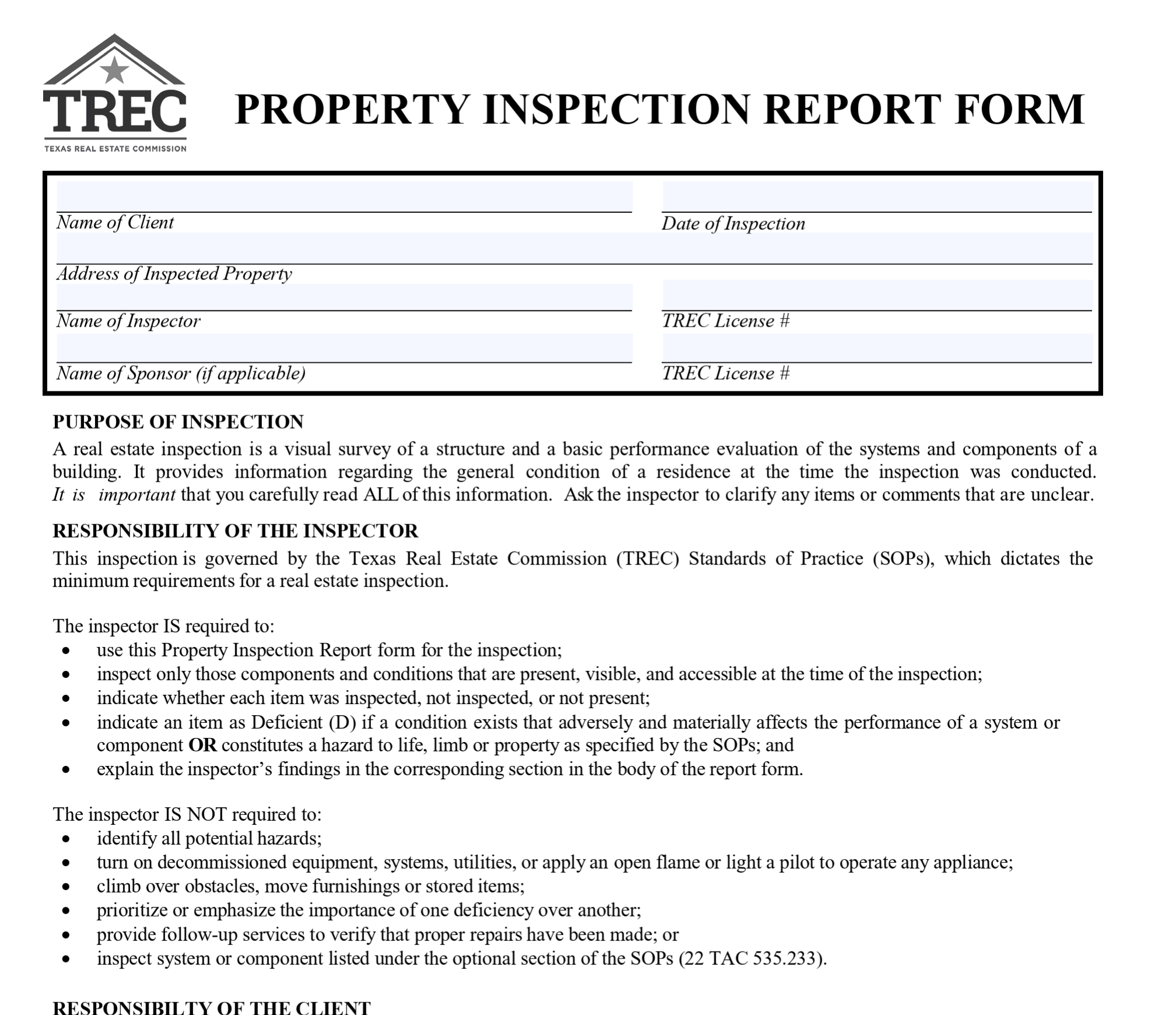
Texas Report Compliance Is Not Optional
Texas is one of the most stringent states when it comes to home inspection reporting.
Inspectors must follow:
Texas Real Estate Commission (TREC) report standards
Specific required sections and disclosures
Clear defect categorization and explanations
Software that doesn’t properly support Texas-compliant templates can put inspectors at risk—regardless of how popular the platform is.
Built With Texas Templates in Mind
Our inspection software was designed with Texas compliance as a first-class requirement, not an afterthought.
Key advantages include:
Support for Texas-compliant inspection report structures
Clear section organization aligned with TREC-style reporting
Consistent defect documentation
Photo-based findings tied directly to report sections
This ensures inspectors can focus on inspecting—not fighting their software.
Where Modern Inspection Software Outperforms Legacy Platforms
Some older or training-focused platforms emphasize theory over real-world efficiency. Modern inspectors need tools that work in the field, not just in a classroom.
Here’s where our platform stands out:
- Same-Day Report Delivery
Many inspectors still finish reports late at night.
Our software enables:
Real-time photo capture and notes onsite
Automatic organization by system
Faster report generation
Same-day delivery—often within hours
Speed is no longer a “nice to have”—it’s an expectation.
- Mobile-First Design
Inspection work happens in crawlspaces, attics, and rooftops—not behind a desk.
Our platform is:
Designed for tablets and phones
Optimized for onsite use
Built to reduce double-entry and after-hours work
👉 The Android app is currently in testing, with expanded mobile support coming soon to ensure inspectors have a smooth, reliable experience on all devices.
- Clear, Client-Friendly Reports
Clients don’t want technical jargon—they want clarity.
Our reports emphasize:
Plain-language descriptions
Strong photo documentation
Logical severity grouping
Easy-to-read layouts for buyers, sellers, and agents
Clear reports reduce callbacks, confusion, and liability.
- Built for Real Inspectors—Not Just Training
Training platforms like AHI provide education, which is valuable. But inspectors need operational tools that perform day in and day out in real inspections.
Our focus is:
Efficiency in the field
Compliance where it matters
Professional presentation
Faster turnaround times
Why Inspectors Are Re-Evaluating Their Software
Inspectors are increasingly switching tools because:
Clients expect faster results
Agents expect professional reports
States expect compliance
Inspectors want fewer late nights
Modern software should support your workflow—not slow it down.
Final Thoughts
Warnings about inspection software are valid—but they shouldn’t scare inspectors away from innovation. They should guide inspectors toward platforms that prioritize compliance, clarity, and efficiency.
When software supports Texas-compliant templates, enables same-day reports, and works seamlessly in the field, it becomes an asset—not a liability.
The right inspection software doesn’t just document homes—it protects your business.